In today’s world, there is a wide variety of therapies available to support physical, mental, and emotional well-being. Whether you are recovering from an injury, managing chronic pain, or seeking to improve overall wellness, understanding the different types of therapies can help you find the right approach for your specific needs. This guide explores several popular therapies, how they work, and what benefits they may offer.
Dry Needling Therapy: A Targeted Approach for Muscle Relief
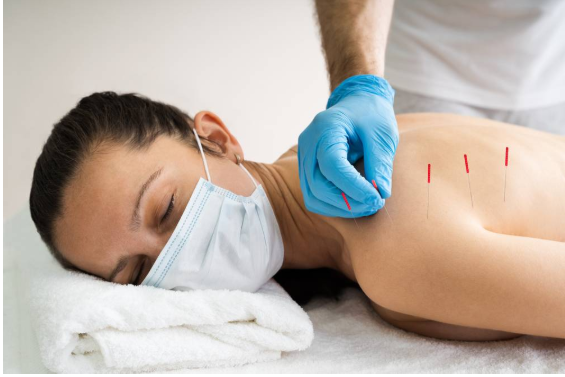
Dry needling is a therapeutic technique that involves inserting fine needles into specific trigger points within muscles to relieve tension and pain. Unlike acupuncture, which is based on traditional Chinese medicine, dry needling is grounded in Western medical principles and focuses on releasing tight muscles and improving mobility. Many individuals turn to dry needling to address conditions such as chronic neck or back pain, sports injuries, and tension headaches. The therapy stimulates the muscle tissue, encouraging blood flow and reducing inflammation, which often results in immediate relief and enhanced recovery.
Shockwave Therapy: Stimulating Healing and Recovery
Shockwave therapy is a non-invasive treatment that uses high-energy sound waves to target affected tissues and promote healing. This therapy is commonly used for musculoskeletal conditions, including plantar fasciitis, tendinitis, and calcific shoulder injuries. By stimulating the body’s natural repair processes, shockwave therapy can reduce pain, break down scar tissue, and improve mobility. Many patients find this therapy particularly helpful when traditional treatments such as physical therapy or medication have not provided adequate relief.
Physical Therapy: Strengthening and Restoring Function
Physical therapy is a widely recognized approach for improving movement, strength, and overall function after an injury or surgery. A licensed physical therapist evaluates your condition and develops a personalized treatment plan that may include exercises, stretches, manual therapy, and functional training. Physical therapy is highly effective for recovering from orthopedic injuries, managing chronic conditions like arthritis, and preventing future injuries. It focuses on improving flexibility, building strength, and restoring balance and coordination.
Occupational Therapy: Enhancing Daily Living Skills
Occupational therapy helps individuals develop, recover, or maintain skills necessary for everyday activities. This therapy is particularly valuable for people with physical, developmental, or cognitive challenges. Occupational therapists work with patients to improve their ability to perform tasks such as dressing, cooking, or using technology, often incorporating adaptive techniques or equipment to facilitate independence. By focusing on functional outcomes, occupational therapy supports overall quality of life and empowers individuals to engage in meaningful activities.
Massage Therapy: Reducing Stress and Promoting Relaxation
Massage therapy uses various techniques to manipulate muscles and soft tissues, aiming to relieve tension, improve circulation, and promote relaxation. From deep tissue massage to Swedish massage, each method targets specific needs, whether it’s alleviating chronic pain, reducing stress, or enhancing athletic performance. Massage therapy not only provides physical benefits but also contributes to emotional well-being by reducing anxiety and promoting a sense of calm.
Cognitive Behavioral Therapy: Supporting Mental Health
Cognitive Behavioral Therapy (CBT) is a structured, evidence-based form of psychotherapy that helps individuals identify and change negative thought patterns and behaviors. It is commonly used to treat anxiety, depression, stress, and other mental health conditions. Through guided sessions with a trained therapist, patients learn practical skills to cope with challenges, develop healthier habits, and improve emotional resilience. CBT emphasizes the connection between thoughts, emotions, and actions, empowering individuals to take control of their mental well-being.
Alternative and Complementary Therapies
In addition to the therapies mentioned above, there are various alternative and complementary approaches available. These may include acupuncture, yoga therapy, mindfulness practices, and hydrotherapy, each offering unique benefits depending on individual preferences and health goals. Integrating these therapies with conventional treatments can enhance overall outcomes and provide a holistic approach to wellness.
Conclusion
Finding the right therapy depends on understanding your specific needs, the nature of your condition, and the outcomes you hope to achieve. Dry needling and shockwave therapy offer targeted solutions for musculoskeletal issues, while physical and occupational therapies provide structured support for functional improvement. Massage therapy and cognitive behavioral therapy address physical and mental well-being, and alternative approaches can complement traditional treatments. By exploring these options and consulting qualified professionals, you can make informed decisions that support lasting health and overall quality of life.