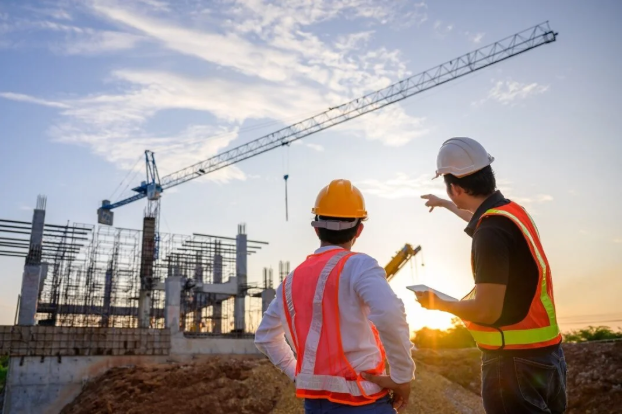
Commercial construction projects can be complicated and require careful planning to finish on time and within budget. Many factors affect the success of a project, from choosing the right materials to following safety rules.
A well-organized approach can save money, reduce delays, and ensure that the building meets all required standards. This article shares five practical tips to help any commercial construction project run smoothly and efficiently.
Plan Every Stage Carefully
A successful construction project begins with detailed planning. Every stage, from design to final inspection, needs a clear schedule and budget. Planning helps identify potential problems before they happen, such as supply shortages or unexpected costs.
Contractors, architects, and project managers should communicate regularly to ensure everyone understands their tasks and responsibilities. Clear planning also ensures that safety procedures are included from the start, reducing the risk of accidents on the construction site.
Use Proper Equipment and Tools
Using the right tools and equipment can make a project faster and safer. For commercial buildings, equipment must meet high standards to handle large-scale construction. Regular maintenance of machinery prevents breakdowns that can delay work.
In addition, testing tools like the backflow test kit is important to maintain proper function. Proper backflow test kit calibration ensures that plumbing systems meet safety standards and function correctly. Keeping tools in top condition avoids mistakes and keeps the project on track.
Consider Metal Buildings
Choosing the right building materials can save time and money. Metal buildings offer strength, durability, and faster construction compared to traditional materials. They are also resistant to fire, pests, and weather damage, which reduces long-term maintenance costs.
Metal buildings allow for flexible designs, making them suitable for offices, warehouses, or retail spaces. Considering metal buildings early in the planning process helps contractors and engineers make accurate cost estimates and schedule the project more efficiently.
Hire Skilled Professionals
The success of a commercial project depends heavily on the people working on it. Hiring skilled contractors, engineers, and tradespeople ensures that work is done correctly the first time. Experienced professionals understand building codes, safety requirements, and efficient construction methods.
They can also solve unexpected problems quickly, preventing delays. Training and clear communication among the team further improve productivity and ensure that the project meets quality standards from start to finish.
Monitor Progress and Stay Flexible
Even with careful planning, construction projects can face unexpected challenges. Regular monitoring of progress helps identify issues early, such as delays in material delivery or changes in weather. Being flexible allows adjustments to the schedule, resources, or methods without affecting the overall outcome.
Regular site inspections and meetings with the project team ensure that work stays on track. This proactive approach reduces risks, keeps the budget under control, and ensures that the project is completed successfully.
Conclusion
Commercial construction projects require careful planning, the right materials, skilled professionals, and constant attention to detail. Using proper equipment, including ensuring backflow test kit calibration, choosing metal buildings when appropriate, and staying flexible throughout the project can significantly increase the chances of success.
By following these tips, construction teams can complete projects on time, within budget, and to high-quality standards, creating safe and functional spaces for their clients.