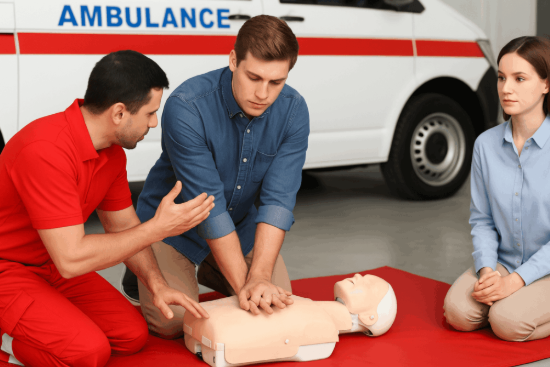
A career in the Emergency Response Unit (ERU) is both challenging and deeply rewarding. Professionals in this field are required to make quick decisions, work under extreme pressure, and respond effectively to life-threatening situations. Whether you are just starting out or looking to strengthen your capabilities, developing the right skills is essential for long-term success.
Below are five practical tips to help you improve your skills and prepare for a strong career in the emergency response sector.
1. Build a Strong Foundation Through Formal Training and Certifications
Formal education and certifications are the backbone of any emergency response career. Courses in first aid, CPR, trauma care, disaster management, and emergency medical response provide essential theoretical and practical knowledge. These programs help you understand standard protocols, safety procedures, and ethical responsibilities.
Regularly updating certifications ensures you stay aligned with current best practices and increases your credibility within the field.
2. Enroll in Professional Ambulance Driver Training
Ambulance driver training is a critical skill for anyone aiming to work in emergency response units, even beyond driving roles. This training focuses on emergency vehicle handling, defensive driving techniques, patient safety during transport, and navigating high-pressure traffic situations. Well-trained ambulance drivers play a vital role in reducing response times and ensuring safe transport for patients and medical staff.
Completing certified ambulance driver training enhances your versatility, makes you more valuable to emergency teams, and improves overall operational efficiency.
3. Improve Communication and Teamwork Skills
Emergency response is rarely a solo effort. Clear communication and effective teamwork are essential when coordinating with paramedics, firefighters, police officers, and hospital staff. Practice concise reporting, active listening, and clear instruction delivery during training simulations.
Strong interpersonal skills reduce misunderstandings, improve coordination, and ensure that critical information is shared quickly during emergencies.
4. Develop Physical and Mental Resilience
The demanding nature of emergency response work requires both physical fitness and mental toughness. Regular physical training improves stamina, strength, and endurance, which are necessary for tasks such as lifting patients or operating equipment. Equally important is mental resilience—learning how to manage stress, remain calm under pressure, and recover from traumatic experiences.
Mindfulness techniques, peer support, and stress management training can help maintain long-term emotional well-being.
5. Gain Hands-On Experience Through Volunteering or Internships
Practical exposure is one of the most effective ways to sharpen emergency response skills. Volunteering with local emergency services, disaster response teams, or community safety programs allows you to apply classroom knowledge in real-world situations.
Hands-on experience builds confidence, improves decision-making, and helps you understand the realities of emergency work. It also strengthens your resume and professional network.
Conclusion
A successful career in the Emergency Response Unit requires continuous learning, practical experience, and personal resilience. By investing in formal education, completing ambulance driver training, strengthening communication skills, building physical and mental endurance, and gaining hands-on experience, you can significantly improve your readiness for this demanding field. These skills not only enhance your career prospects but also prepare you to make a meaningful impact when lives depend on your response.